
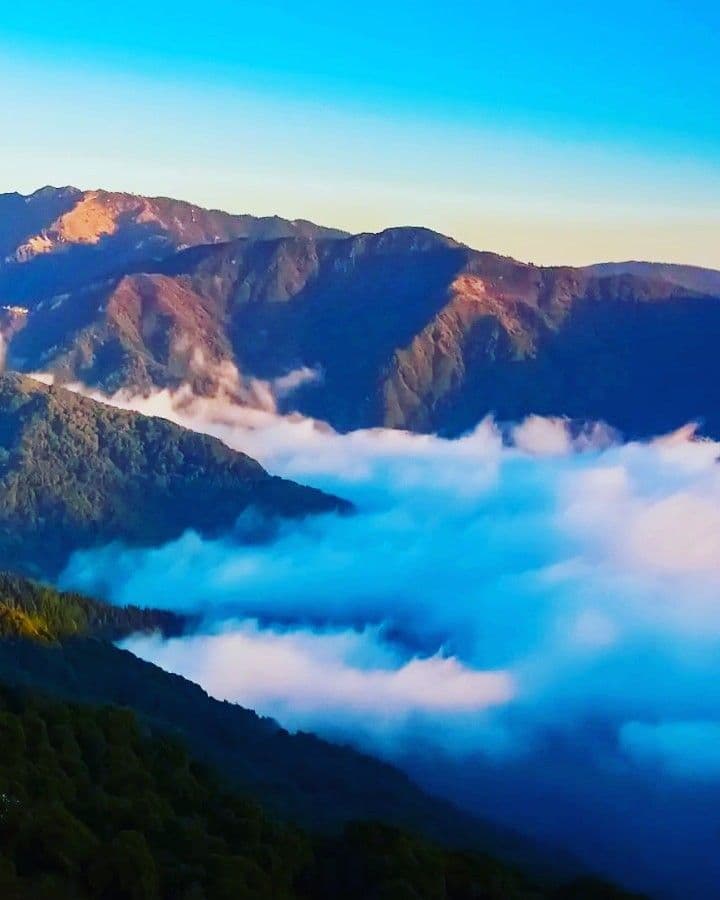
Kodaikanal's Quiet Side: Vattakanal and the Trails Beyond Coaker's Walk
Kodaikanal was founded by American missionaries fleeing Madurai's heat in 1845. Vattakanal, its quieter neighbouring hamlet, has waterfalls and cliff viewpoints most day-trippers never reach.
Kodai Lake and Coaker's Walk are what most people mean when they say they've "done Kodaikanal" — a boat ride, a paved viewpoint walk, and a drive back down. Vattakanal, a small hamlet a short walk from the main town, is where the place gets genuinely interesting.
History
Kodaikanal's founding has an unusually specific origin story: it was established in 1845 by American Christian missionaries and British colonial officials based in the sweltering plains of Madurai, who needed a reliable hill retreat to escape the heat and disease of the lowlands during summer months — a common pattern behind many South Indian hill stations, but Kodaikanal's founding is better documented than most, down to the specific missionary families involved. That colonial-era layer is still visible in the town's older architecture and in institutions like the Kodaikanal Solar Observatory, established in 1899 and still an active astronomical research site today — an unusual scientific legacy for a hill station otherwise known mostly for tourism.
Vattakanal & Dolphin's Nose
Vattakanal itself has no comparable colonial-era pedigree — it developed much later and more informally, first as a quiet backpacker retreat and gradually into a small but distinct hamlet with its own cafes and guesthouses, still a fraction of central Kodaikanal's size. Its main draw is the trek to Dolphin's Nose, a sheer cliff-edge viewpoint with a dramatic drop over the edge of the Palani Hills plateau — a rawer, less manicured experience than Coaker's Walk's paved path in the main town. En route, Vattakanal and Silver Cascade Waterfalls offer stops, though their flow varies heavily with season.
Local guides sometimes point out that Dolphin's Nose earned its name from the shape of the rock formation itself when viewed from certain angles below — a small detail that's easy to miss unless someone points it out, much like Vattakanal itself relative to Kodaikanal's more obvious attractions.
The Shola Forests
The forests around both Kodaikanal and Vattakanal are shola — a distinctive high-altitude stunted evergreen forest type found only in the upper reaches of the Western Ghats and parts of Sri Lanka, growing in sheltered folds of the landscape between open montane grassland. Sholas are ecologically significant water catchments for the region and support species found nowhere else, and the patches of shola forest still standing around Vattakanal are considerably less disturbed than the more heavily visited forest edges closer to central Kodaikanal.
Kodaikanal's history also includes a less pleasant chapter: mercury contamination linked to a thermometer factory that operated in the area for years before being shut down following environmental campaigns in the early 2000s — a reminder that the hill station's idyllic image has coexisted with real industrial and environmental disputes that shaped local activism for a generation.
Quick Facts
- 1845, by American missionaries and British colonial officials
- Established 1899, still an active research site
- A quieter hamlet near central Kodaikanal, developed later and more informally
- A cliff-edge viewpoint reached via trek from Vattakanal
- December–March for clearest skies and driest trails
Getting There
Vattakanal is a short walking trail from central Kodaikanal, connected by forest path rather than a road most day-trippers bother with — which is most of why it's stayed quieter.
Our Weekend Getaway Kodaikanal trip covers both: the classic sights in the main town (Guna Caves, Pillar Rocks, Kodai Lake), then the Vattakanal trek to Dolphin's Nose and the waterfalls, plus some chocolate shopping in the village on the way back.
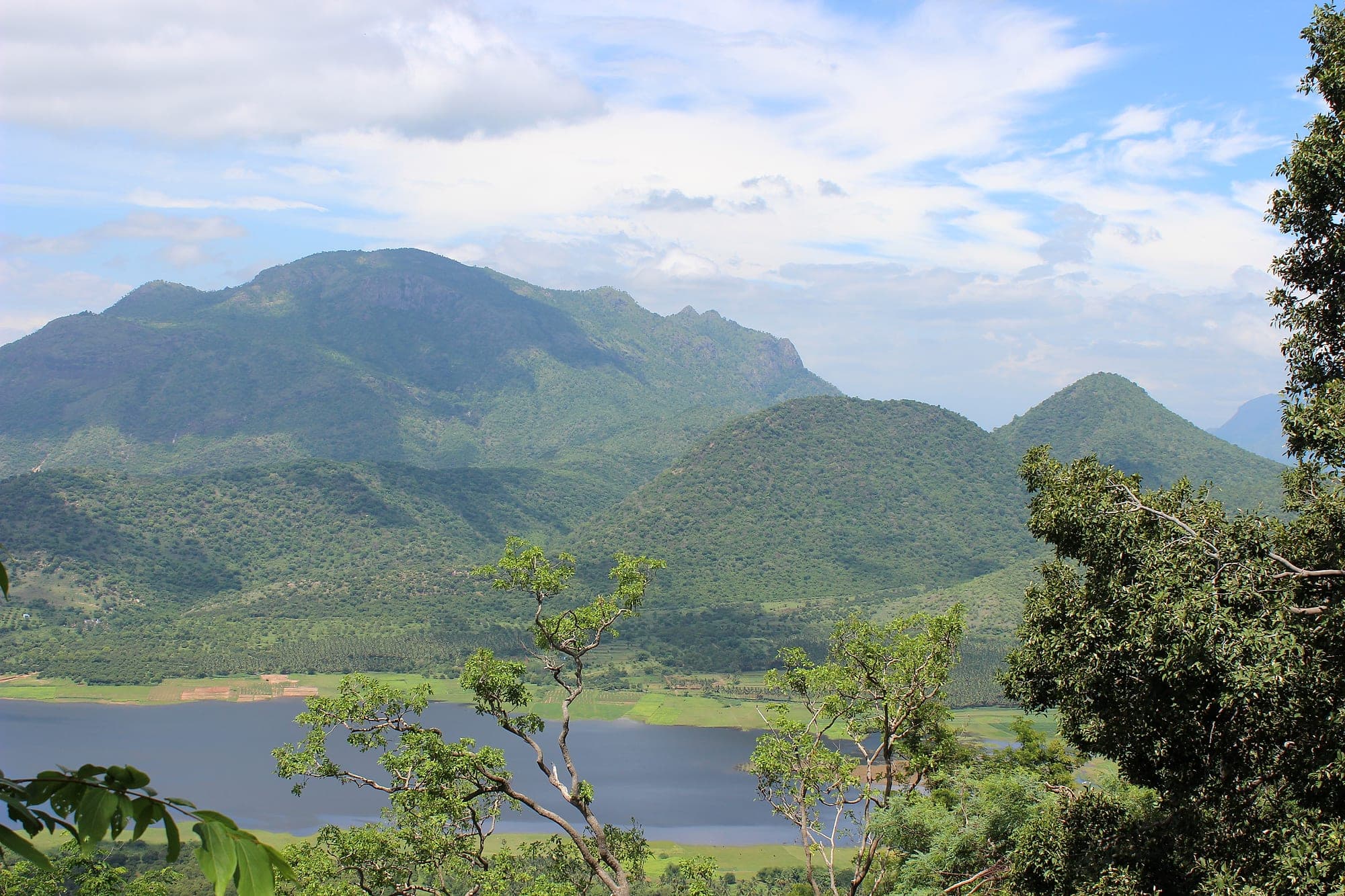
Photo: KARTY JazZ / CC BY-SA 4.0