
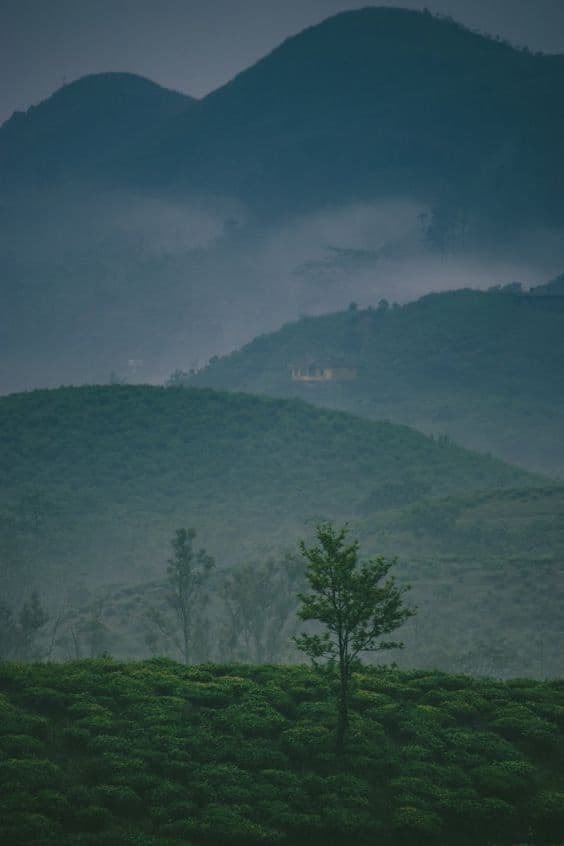
Vagamon: The Kerala Hill Station That Isn't Munnar
Vagamon's meadows and pine forests grew from British-era tea plantation history, and its multi-faith character has earned it the nickname 'Kerala's Kashmir' — full guide to the quieter Munnar alternative.
Munnar's tea gardens are genuinely beautiful, which is exactly the problem — everyone knows it, and the roads in peak season show it. Vagamon, roughly two hours away in Idukki district, delivers a similar cool-climate hill-station feel with a fraction of the traffic, and a slightly stranger history behind its landscape.
History
Vagamon's meadows and pine forests aren't naturally occurring in the way they look — much of the pine plantation dates to the British colonial period, when Vagamon, like much of the Western Ghats, was developed for cash-crop cultivation and forestry experimentation. Tea planting arrived here later and less intensively than in Munnar, which is part of why Vagamon's landscape reads as more varied — rolling open meadows, planted pine forest, and a small lake, rather than the more uniform tea-garden scenery Munnar is known for. That lighter-touch colonial development is a large part of why Vagamon still feels less commercially built-out today.
A Quietly Unusual Multi-Faith Landscape
Vagamon has earned an informal nickname — "Kerala's Kashmir" — partly for its landscape and partly for something less common in Indian hill stations: a church, a mosque, and a temple sit within close distance of each other here, a coexistence locals point to with some pride. It reflects Kerala's broader religious plurality, but Vagamon's small scale makes that plurality visually obvious in a way larger towns don't manage — you can walk between all three in an afternoon.
Vagamon's meadows are also associated, in a more recent but locally significant tradition, with an annual paragliding festival that's turned the area into a modest adventure-sports destination — a contemporary layer added onto the older tea-and-forestry history, rather than replacing it.
The Suicide Point Misnomer
One of Vagamon's more visited viewpoints carries the unfortunate name "Suicide Point" — a naming pattern repeated at dramatic cliff-edge viewpoints across several Indian hill stations, generally referring to the sheer, unguarded drop rather than any specific historical incident, though the name persists despite tourism boards' periodic attempts to rebrand it. The actual view — over the Idukki hills toward the plains — is one of the more genuinely striking panoramas in the area, unrelated to the grim name attached to it.
Vagamon's cooler microclimate, similar in principle to Munnar's but at slightly lower elevation, also supports small-scale cardamom and pepper cultivation alongside its better-known tea, giving the region's markets a spice-trade character that's distinct from Munnar's more purely tea-focused economy.
Quick Facts
- ~1,100 metres
- Idukki, Kerala
- British-era pine plantation and light tea cultivation, distinct from Munnar's dense tea-garden development
- "Kerala's Kashmir," for its meadows and multi-faith character
- Vagamon meadows, pine forest walks, a small lake, and a modest paragliding scene
- October–May
Getting There
Vagamon is roughly two hours from Munnar and a similar distance from Kottayam, making it an easy detour rather than a destination requiring a dedicated trip of its own.
Our Mystic Kerala Trails trip runs Alappuzha's backwaters into Vagamon's meadows and pine forest, then on to Munnar for the tea-garden viewpoints and a jeep safari — so you get the quiet hill station and the famous one back to back.
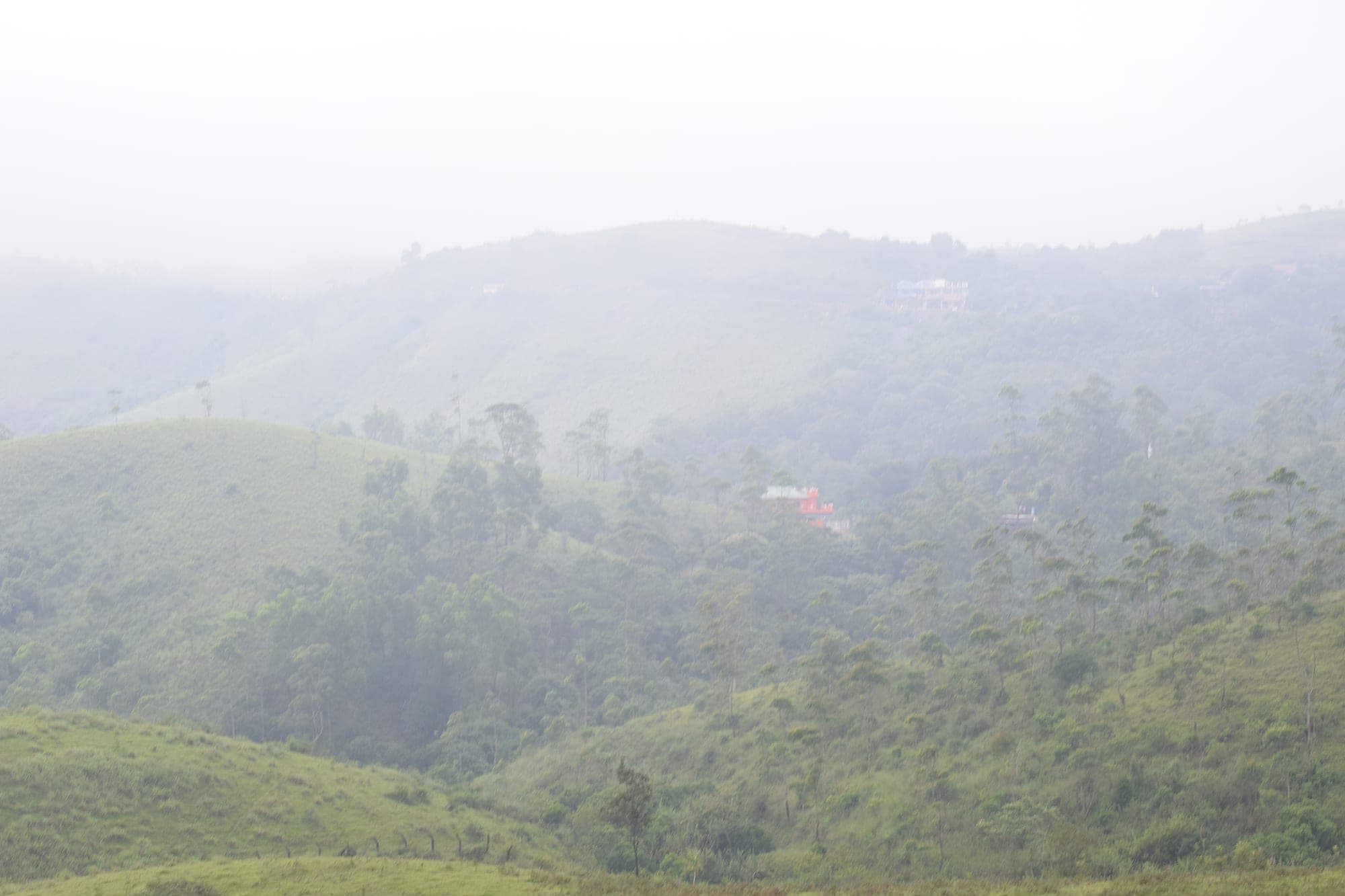
Photo: Rahanashibu / CC BY-SA 4.0