Chitkul: India's Last Village Before the Tibet Border
Chitkul is the last inhabited village on the Indo-Tibet border in Kinnaur — its Mathi Devi legend, trade-route history, and why it's quieter than Manali will ever be.
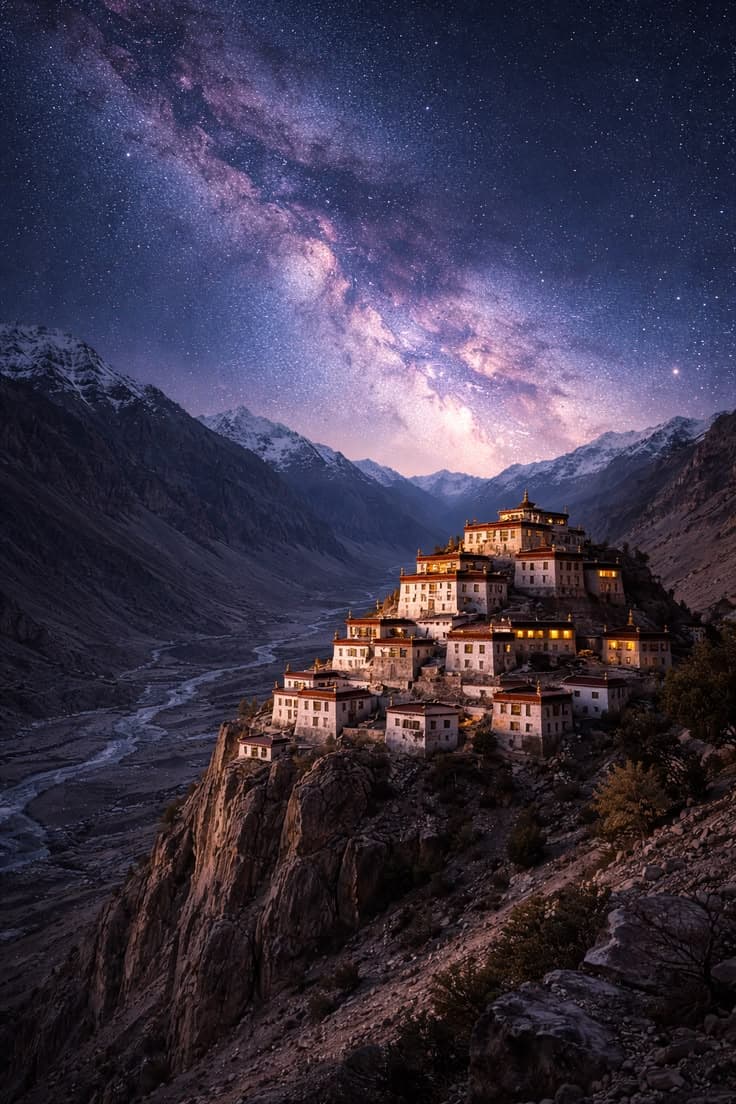
At 3,450 metres in the Baspa Valley of Kinnaur, Chitkul is the last point on the map a civilian can reach before the road continues toward a border most Indians will never see up close. Beyond it lies a restricted military zone and, not far past that, Tibet. That single fact — "last village" — has shaped everything about the place: its isolation, its architecture, its slow-burning mythology, and the fact that it still doesn't feel like a tourist destination even though tourists now come.
History
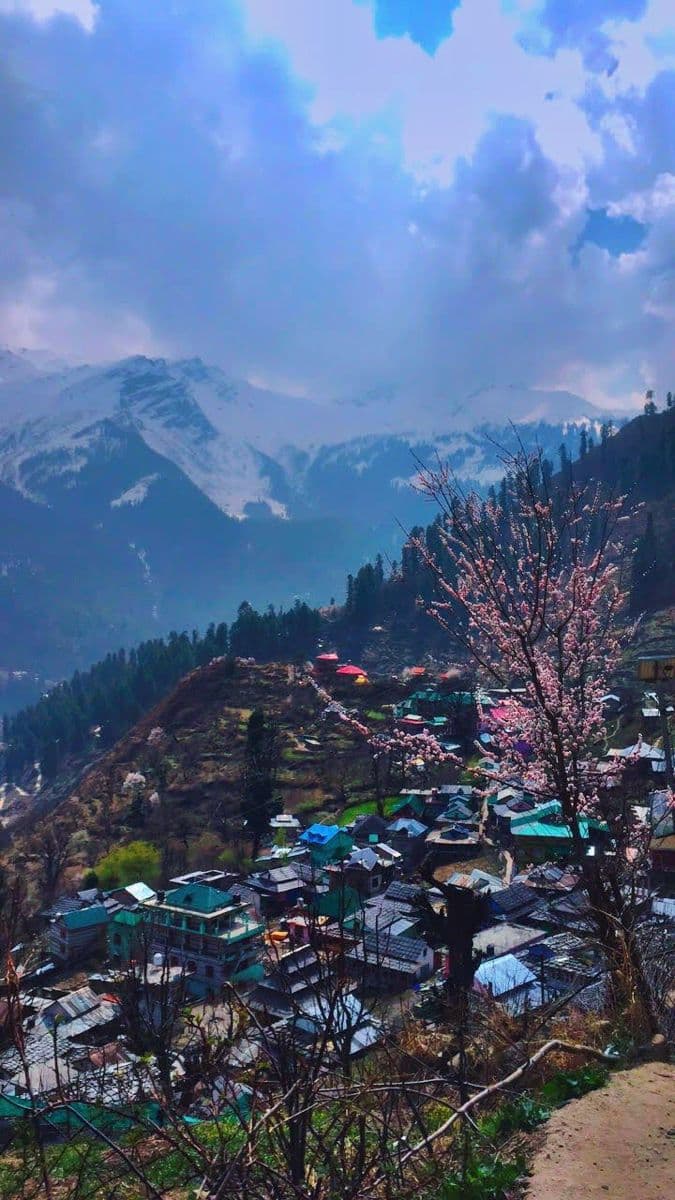
Chitkul's real history is trade history. Long before it was a "hidden gem" on anyone's Instagram, it sat on a trade route that connected Kinnaur to Tibet — Kinnauri traders moved wool, salt, and dried fruit across the high passes in exchange for Tibetan goods, a exchange that continued in some form for centuries until the India-China war of 1962 sealed the border and cut the route dead. That closure is a big part of why Chitkul stayed small: an economy built on cross-border trade lost its reason to grow. What's left is a village whose wooden, slate-roofed Kinnauri houses, built to survive brutal winters, look largely unchanged by comparison to hill towns that pivoted hard into tourism decades ago.
The Indo-Tibetan Border Police maintain a visible presence in the area — Chitkul is one of the last checkpoints before the restricted zone begins, and the military's presence here is part of daily life in a way it simply isn't in Shimla or Manali.
Mythology & Legend
Chitkul's local deity is Mathi Devi, worshipped at a wooden temple in the village that predates most written records of the region. Kinnauri folk religion here blends Hindu and pre-Buddhist local traditions in a way that's distinctive to this valley — Mathi Devi isn't a Puranic goddess with a pan-Indian following; she's specifically Chitkul's, and the temple's carved wooden façade and the rituals around her worship are as much anthropological artifact as living faith.
Locals say the goddess Mathi resides in Chitkul for six months of the year and travels to Sangla for the other six — a belief that maps almost exactly onto the village's own seasonal rhythm, since Chitkul itself is livable only in the warmer half of the year before snow cuts it off.
The broader Kinnaur region also carries strong Mahabharata associations — the Pandavas are said to have passed through these valleys during their exile, and several nearby peaks and villages (including the trekking region around Yulla Kanda, deeper in Kinnaur) carry their own versions of this legend. Chitkul sits at the edge of a valley where myth and geography are hard to separate.
What's Actually in the Village
Chitkul's built environment is worth slowing down for on its own terms. The houses are constructed in the traditional Kath-Kuni style common across Himachal's higher valleys — alternating layers of stone and deodar timber, engineered specifically to flex rather than crack during earthquakes and to shed heavy snow load without collapsing, a construction method refined over centuries of trial and error in a region with no easy access to modern building materials. Walking through the village, you'll notice wood-carved balconies, prayer flags strung between rooftops, and stacks of firewood built up for a winter that effectively empties the village of its more transient visitors.
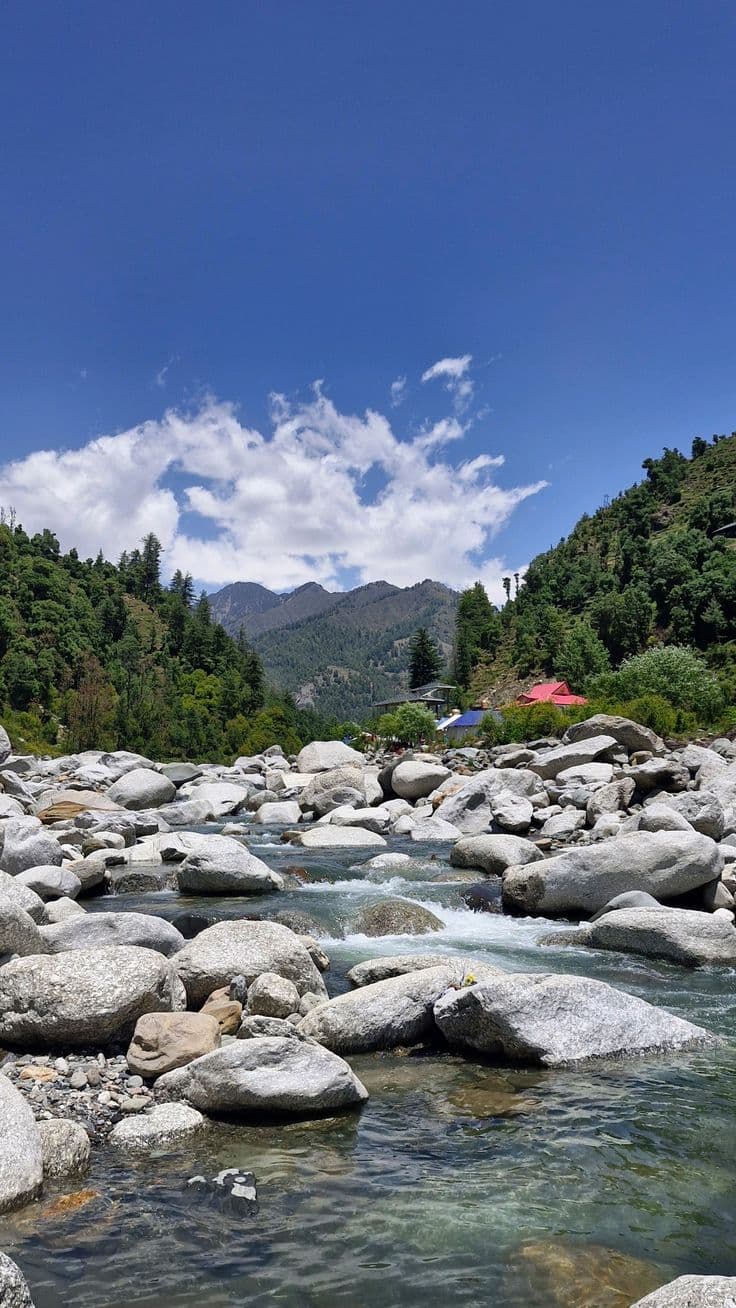
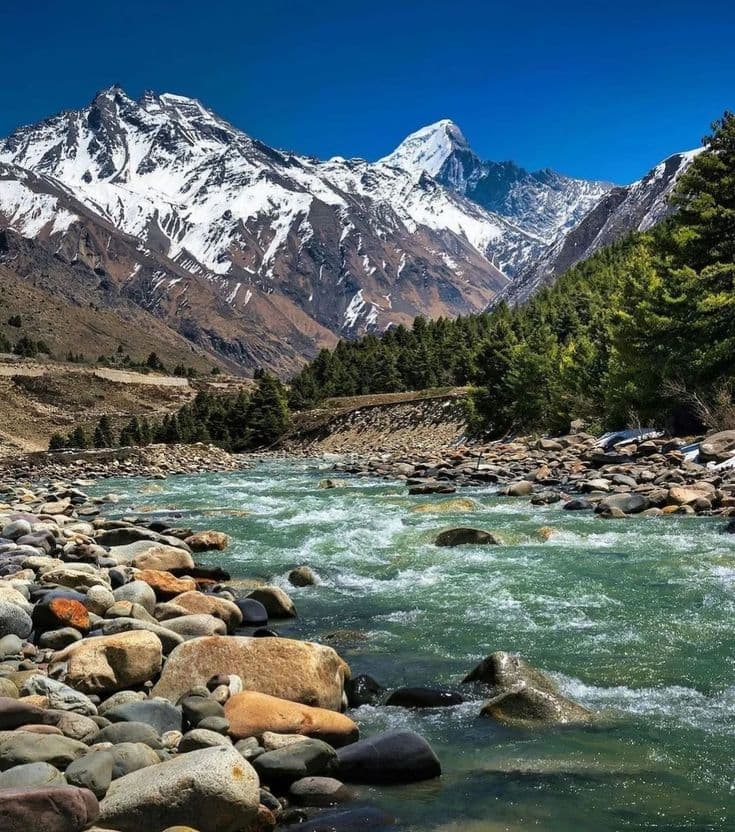
The Baspa river itself, running turquoise and glacial-cold past the village edge, is a tributary of the Sutlej and one of the cleaner, less-dammed rivers in this part of Himachal — locals still fish it, and a short walk along its banks in September, when the apple harvest is on, is arguably the single best hour you can spend in Chitkul.
Quick Facts
- 3,450 metres (11,320 ft)
- Baspa Valley, Kinnaur district, Himachal Pradesh
- May to October — the only months the village is accessible
- Sangla, roughly 24 km away
- Being the last civilian-accessible village toward the Tibet border; Kinnauri wooden architecture; apple orchards
- Mathi Devi
Getting There
Chitkul is roughly 240 km from Shimla along the Hindustan-Tibet Highway (NH-5), usually reached via Sangla — the road is scenic but slow going through the Kinnaur gorge, so plan for a full day's drive. There's no railway or airport anywhere close; road is the only option, and the village is snowbound and inaccessible for roughly half the year.
Chitkul is usually a stop rather than a full destination on its own — most travelers pair it with Sangla and continue deeper into Kinnaur. That's exactly the territory our Yulla Kanda trek covers, pushing further into the valley to a high-altitude lake and temple that even fewer people ever reach.
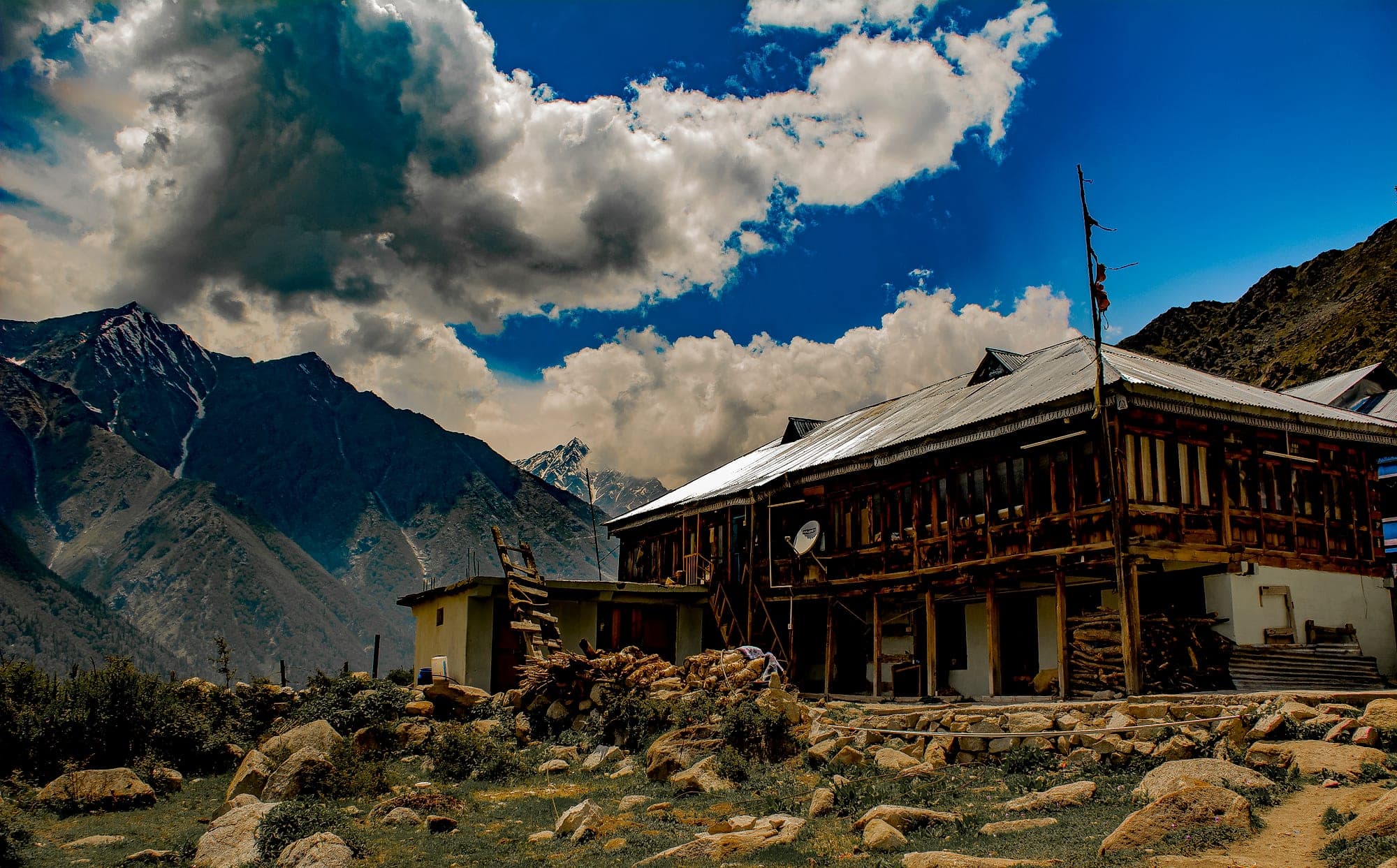
Photo: Footloosedev / CC BY-SA 4.0