Chopta & Tungnath: The Trek That Beats Crowded Kedarnath
Tungnath is the highest Shiva temple in the world and one of the five Panch Kedar shrines — its Pandava origin myth, real elevation facts, and why Chopta beats Kedarnath's yatra crowds.
Kedarnath during peak yatra season means hours-long queues and a base camp town built more around crowd control than pilgrimage. Chopta, roughly ninety kilometres away as the crow flies, delivers a comparable Himalayan payoff for a fraction of the crowd — and it comes with one of Hinduism's more interesting temple-origin stories attached.
History
Chopta itself has no ancient temple of its own — its role has always been as the gateway, the meadow base camp for the trek up to Tungnath. Tungnath, by contrast, is genuinely old: it's one of the Panch Kedar, the five temples said to have been built by the Pandavas to atone for the sin of killing their own kinsmen in the Kurukshetra war of the Mahabharata, and its documented history stretches back over a thousand years, with the current structure widely attributed to construction associated with the Katyuri dynasty that ruled the central Himalayas between roughly the 7th and 11th centuries CE.
Mythology & Legend
The Panch Kedar legend is specific and worth knowing in full, because it's the reason five separate Shiva temples exist scattered across the Garhwal Himalayas instead of one. After the Kurukshetra war, the Pandavas sought out Shiva to absolve them of the sin of fratricide. Shiva, unwilling to grant an easy pardon, fled from them repeatedly in the form of a bull, eventually diving into the ground near present-day Kedarnath. As he vanished, different parts of his body are said to have resurfaced at five different locations — the hump at Kedarnath, the arms at Tungnath, the face at Rudranath, the navel and stomach at Madhyamaheshwar, and the hair at Kalpeshwar. The Pandavas built a temple at each site.
Tungnath, where Shiva's arms are said to have appeared, is the highest of the five — and by most accounts, the highest Shiva temple anywhere in the world, at roughly 3,680 metres.
There's a second layer of legend here too: in the Ramayana tradition, this same region is associated with Rama's ancestor Raghu performing penance, which is part of why so many nearby place names — Rudraprayag, Raghunath — carry echoes of both epics layered on top of each other.
Beyond the Temple Trek
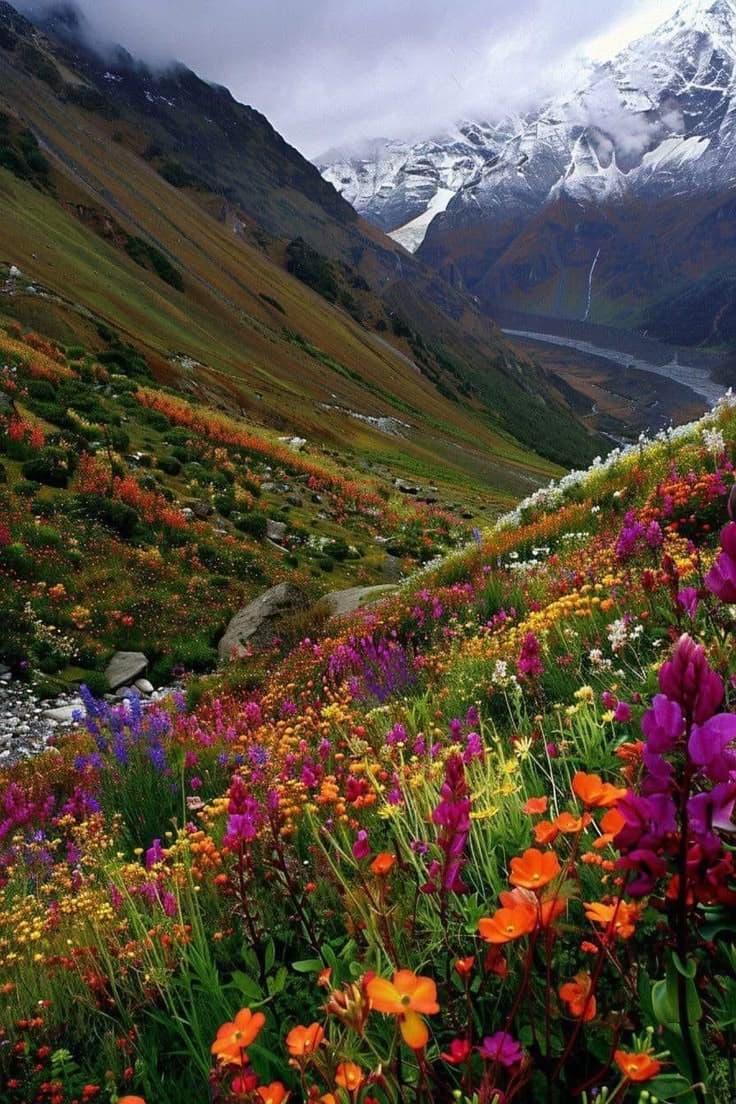
Chopta's meadows are worth a slow morning even without the Tungnath climb — the base camp area sits inside a rhododendron and oak forest that turns a deep red-pink in bloom around March and April, drawing a smaller but dedicated crowd of trekkers who time their visit specifically for the flowering season rather than for temple access. Local wildlife, including occasional Himalayan monal sightings — India's state bird of Uttarakhand, with iridescent plumage that looks almost unreal in person — adds another reason birdwatchers treat Chopta as a destination distinct from its role as a Tungnath gateway.
The trek itself, while short by Himalayan standards, does climb fast — roughly 800 metres of elevation gain over just a few kilometres — so altitude sickness, while uncommon at these heights, isn't impossible, and a measured pace matters more than most day-hike guides let on.
Quick Facts
- Chopta ~2,900 m; Tungnath temple ~3,680 m; Chandrashila summit ~4,000 m
- Roughly 3–4 km one-way from Chopta to Tungnath, doable as a day hike
- Highest Shiva temple in the world; one of the five Panch Kedar shrines
- Built by the Pandavas; marks the spot where Shiva's arms reappeared after fleeing in bull form
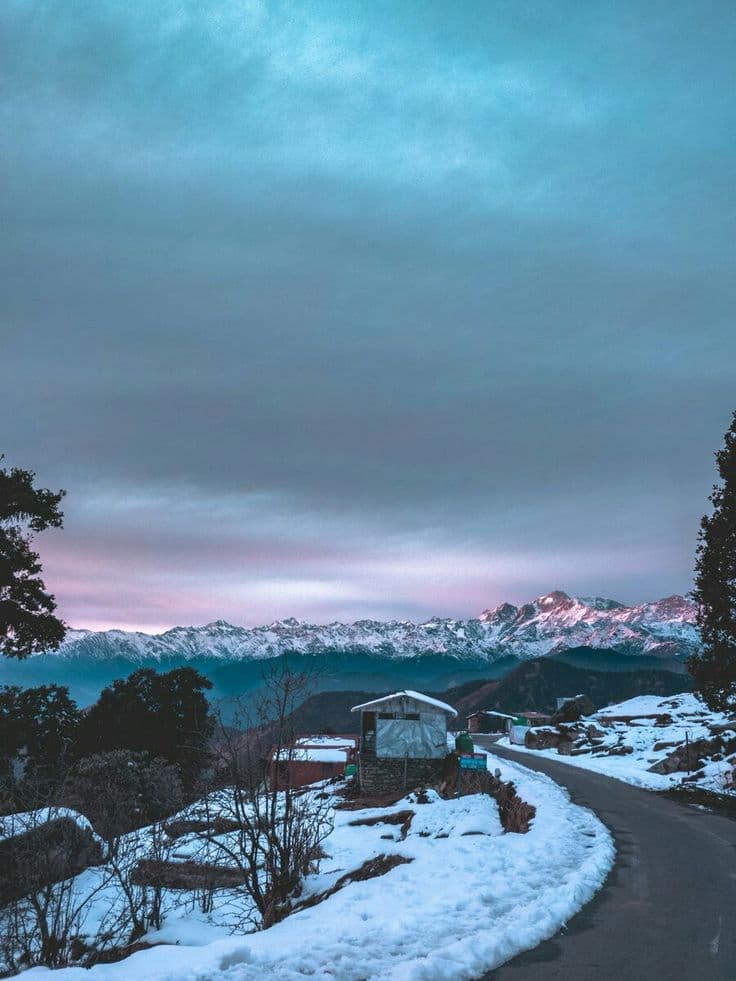
- Nanda Devi, Trishul, Chaukhamba, and Kedarnath's peak in the distance
- May–June and September–November
Getting There
Chopta is accessed via Rishikesh, roughly a 200 km drive through Rudraprayag and Ukhimath. Most people stay overnight near Chopta and start the trek to Tungnath early to beat both crowds and cloud cover, then continue another 1.5 km further uphill to Chandrashila summit for the full panoramic payoff.
Our Tungnath & Chandrashila trip covers exactly this route — Rishikesh to Chopta, the temple trek, the Chandrashila summit push, and a stop at Deoriatal Lake on the way back — for anyone who wants the Panch Kedar experience without queuing for Kedarnath itself. If you'd rather do both, our Divine Peaks trip combines Kedarnath, Chopta and Tungnath, and Badrinath into one longer route.