Yulla Kanda: The Hidden Lake Trek in Kinnaur Nobody Talks About
Yulla Kanda is an offbeat Kinnaur trek to a high-altitude lake and Krishna temple tied to Pandava legend — real trekking facts, the myth behind it, and why almost no one's heard of it.
Ask ten seasoned trekkers about Roopkund, Kedarkantha, or Hampta Pass and every one of them will have an opinion, a photo, a story. Ask about Yulla Kanda and you'll mostly get a blank look — which, for a trek this good, says more about how under-documented Kinnaur still is than it does about the trail itself.
What Yulla Kanda actually is
Yulla Kanda is a high-altitude lake deep in Kinnaur's interior, reached over two to three days of trekking from Yulla village through pine forest, mountain streams, and open alpine meadow. A small stone-and-timber Krishna temple sits at the lake's edge — local legend ties it to the Pandavas, the five brothers of the Mahabharata, and their long exile through the Himalayas. Whether or not the legend is literally true, the setting does most of the convincing on its own: a still lake reflecting the surrounding peaks, prayer flags moving in the wind, and none of the noise that's crept into better-known Himachal treks over the last decade.
Mythology & Legend
Kinnaur's name itself comes from the Kinnaras — celestial beings in Hindu and Buddhist mythology, half-human and half-horse (or half-bird, depending on the text), associated with music, art, and devotion, said to inhabit the Himalayas as attendants of Kubera, the god of wealth. The region's temples, this one included, sit inside a landscape that mythology has treated as semi-divine territory for a very long time.
Local oral tradition holds that the Pandavas rested at Yulla Kanda during their thirteen-year exile — one of several such sites scattered across Uttarakhand and Himachal that claim a piece of the same epic. What makes Yulla Kanda unusual is how little that claim has been commercialized; there's no signage, no gift shop version of the story, just villagers who've been telling it the same way for generations.
The wider Kinnaur valley — including Chitkul and Kalpa nearby — carries a similar layer of Pandava mythology laid over genuinely old trade-route history, the two blending into a single regional identity that's distinct from the more famous Char Dham mythology further west in Uttarakhand.
The Trail Itself
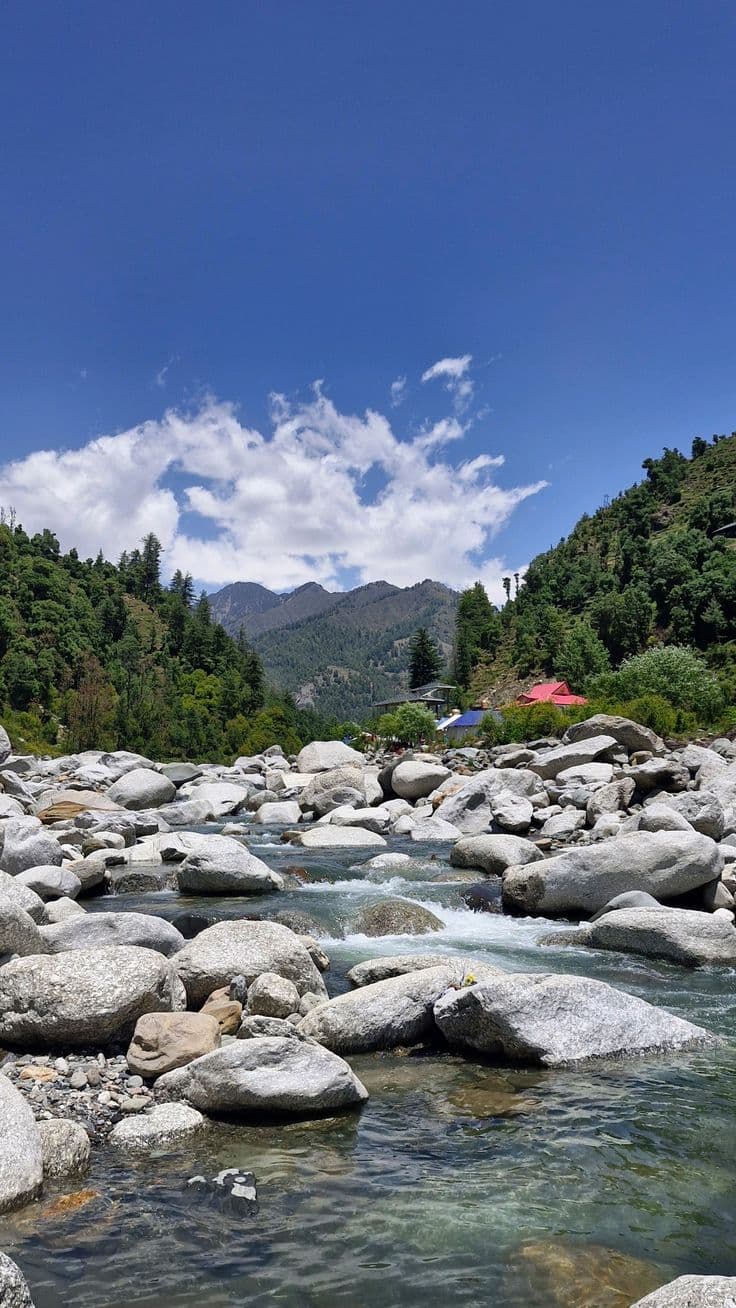
The route to Yulla Kanda isn't waymarked the way better-known Himachal treks are — there's no ticketed forest checkpoint, no crowd of trekkers to follow. From Yulla village, the trail climbs through dense pine and deodar forest for the first stretch, opening into alpine meadow as the tree line thins, with the final approach to the lake crossing scree and rock underfoot. Guides who know the route matter more here than on trails with clearer signage, which is a large part of why this trek has stayed a guided-trip destination rather than a solo-backpacker one.
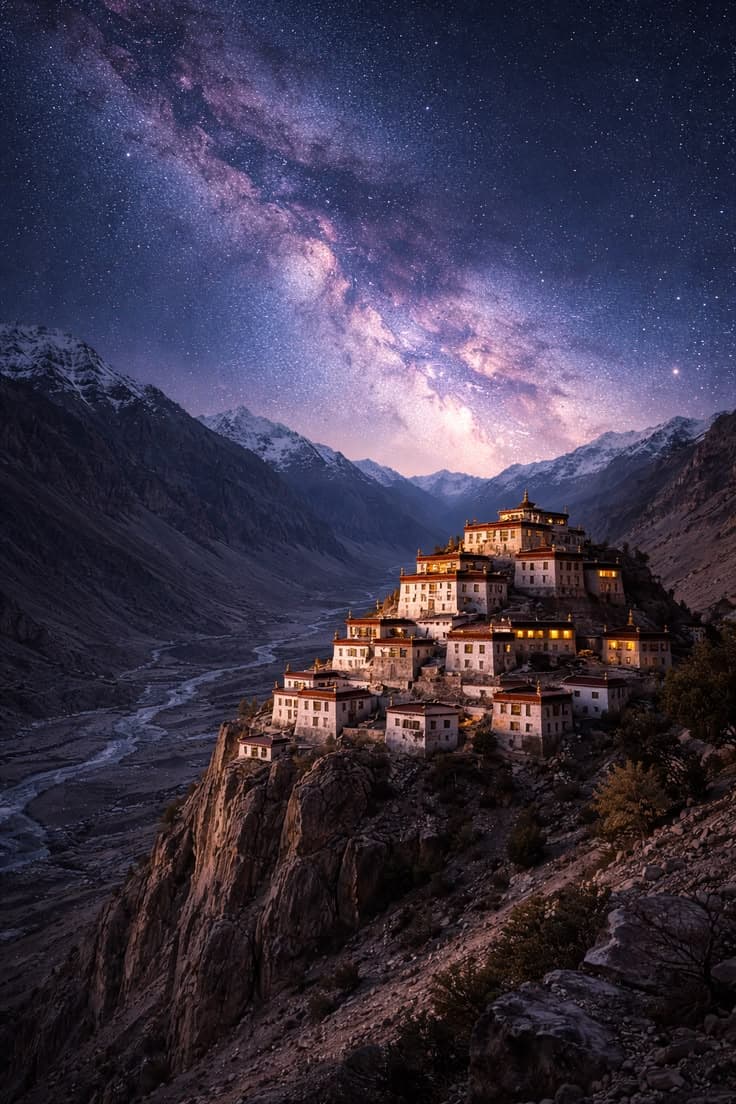
Camping at the base camp, under skies with essentially zero light pollution, is often cited by people who've done both as a bigger highlight than the lake itself — Kinnaur's night skies, this deep into the valley, rival anywhere else in the Indian Himalayas for stargazing.
Quick Facts
- 2–3 days
- Moderate — sustained uphill walking, no technical climbing or ropes required
- Pine forest, mountain streams, alpine meadow, high-altitude lake
- Yulla, reached via Shimla and Tapri
- Summer to early autumn, once the trail clears of snow
- A stone Krishna temple at the lake's edge, linked to Pandava legend
Getting There
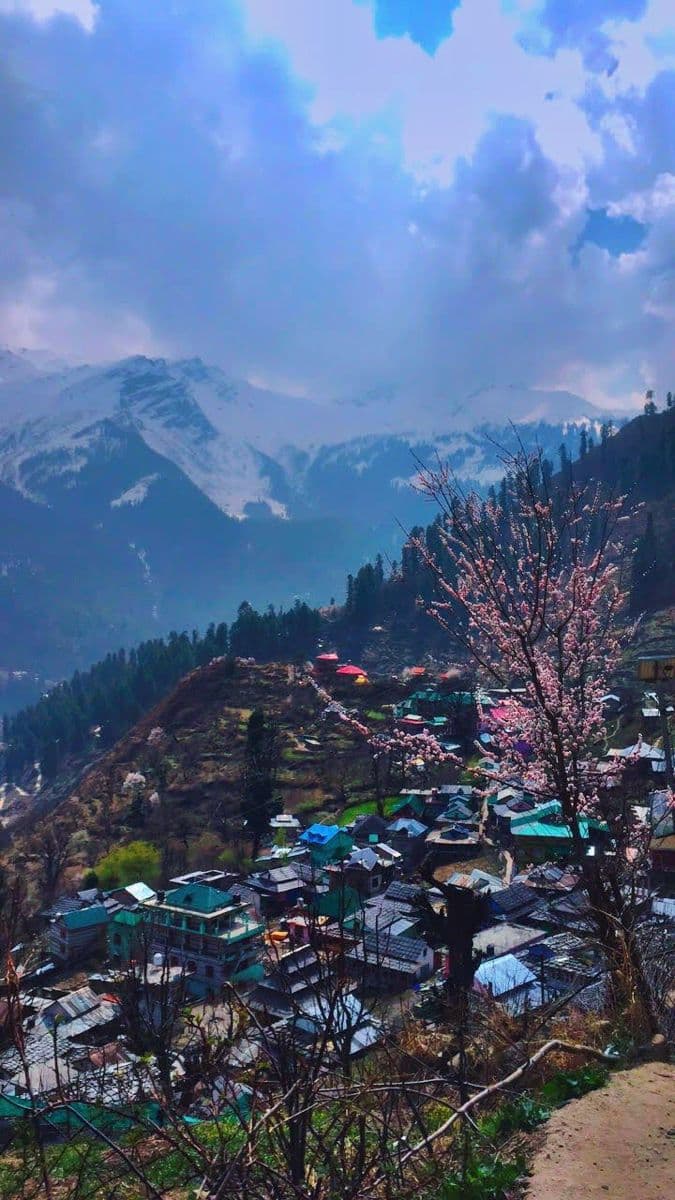
The trek starts from Yulla village, itself reached by road from Shimla via Tapri — a scenic but long drive along the Sutlej river through Kinnaur's apple orchards and mountain towns. There's no direct public transport to the trailhead; this is a trek that requires local logistics, which is exactly why it's stayed this quiet.
We run this as a guided trip from Delhi — via Shimla to Tapri, then into Yulla village and up to the lake, camping in alpine tents at base camp — so the parts that are hardest to arrange independently (permits, porters, route-finding in a valley with almost no signage) are handled for you.