Losar
The Tibetan Buddhist New Year, celebrated in Spiti's monasteries with masked Cham dances, ahead of the region's biggest winter gathering.
Losar, the Tibetan Buddhist New Year, is the biggest date on the calendar for Spiti Valley's Buddhist communities — a festival of monastery rituals, masked dance, and household celebration that arrives deep in winter, when Spiti itself is at its most cut off from the outside world.
History & Significance
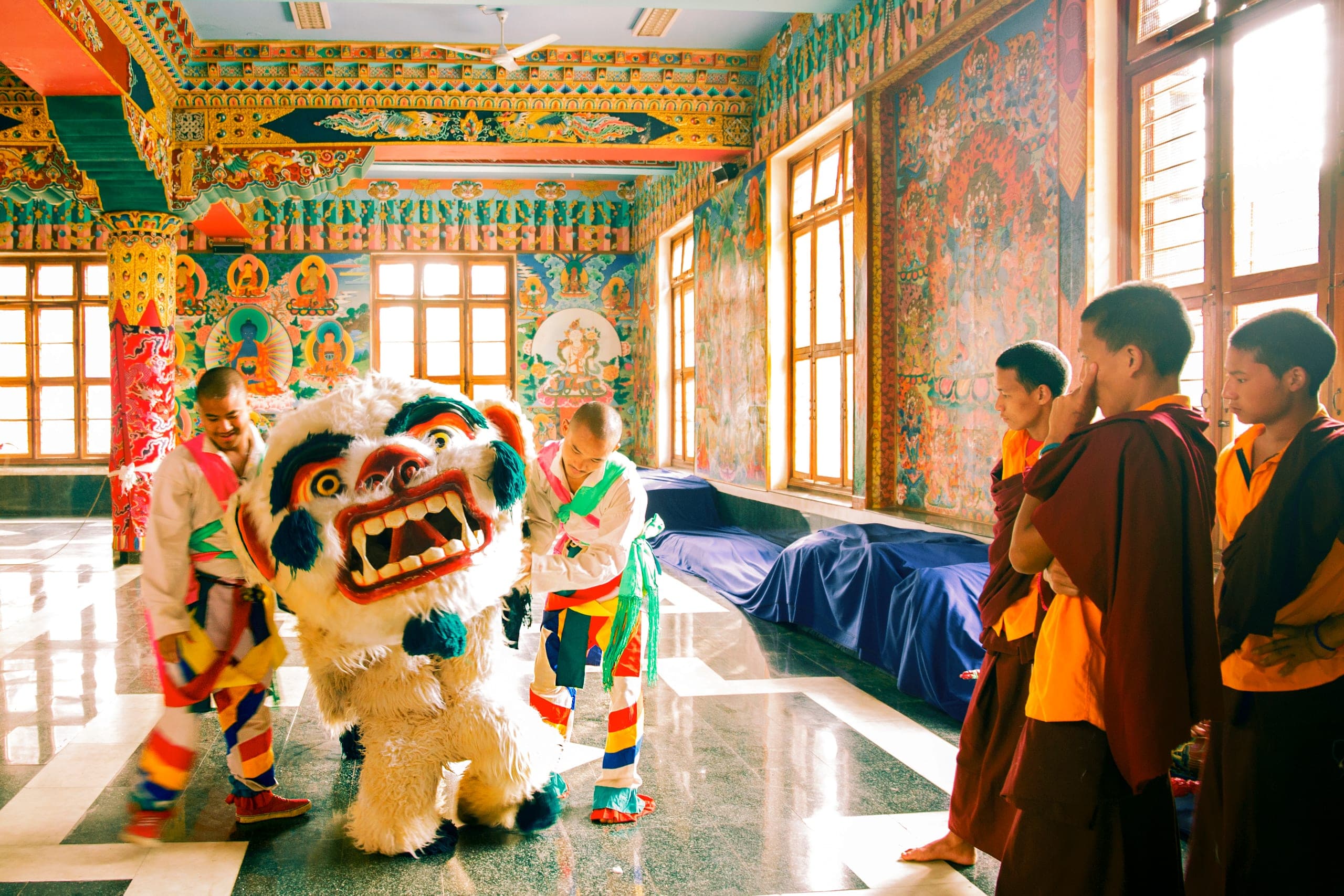
Losar's roots are pre-Buddhist, tracing back to a winter incense-burning custom in Tibet that predates Buddhism's arrival in the region, later absorbed into the Tibetan Buddhist calendar and observed today across all Tibetan Buddhist communities — Spiti, Ladakh, Sikkim, and Tibet itself — on a date set by the Tibetan lunar calendar, usually falling in February or early March. In Spiti's monasteries, including Key and Tabo, the days around Losar are marked by Cham — ritual masked dances performed by monks representing deities and protective spirits, intended to dispel the negative energy of the outgoing year before it turns.
What Happens
Monasteries hold several days of ritual, including the Cham dances performed in full costume and elaborate masks to drumming and horn accompaniment, while households clean thoroughly, prepare special foods, and exchange visits with neighboring families — a structure that echoes Lunar New Year customs found across the wider Himalayan Buddhist world. In Spiti specifically, Losar coincides with the valley's quietest, coldest season, meaning the festival is witnessed almost entirely by local communities rather than outside visitors.
Quick Facts
- Late February to early March, set by the Tibetan lunar calendar
- Key Monastery and Tabo Monastery, Spiti Valley; also widely celebrated in Ladakh and Sikkim
- Cham — masked monastic dance representing deities and protective spirits
- Pre-Buddhist Tibetan winter ritual, later absorbed into the Buddhist calendar
- Falls during Spiti's harshest winter conditions — this is peak off-season travel