Photo: Fredericknoronha / CC BY-SA 4.0
Shigmo
Goa's Konkani spring festival — folk dance troupes, painted floats, and centuries-old agrarian ritual predating the state's tourism identity entirely.
Long before Goa was a beach destination, it was an agrarian Konkani-speaking region with its own spring harvest calendar — and Shigmo is the festival that calendar produced. It's often described to outsiders as "Goa's Holi," which captures the timing but undersells how distinct the actual celebration is.
History & Significance
Shigmo (from the Sanskrit "Shishira," referring to late winter) is fundamentally a farmers' festival, traditionally marking the end of the harvest season and welcoming spring — its rural, agrarian roots run deep enough that some of its folk dance forms are believed to predate the Portuguese colonial period that shaped so much of coastal Goa's more visible culture. Village-level Shigmo celebrations, called Dhakto Shigmo, happen first and are more ritually focused; the larger, more performance-oriented Vhadlo Shigmo parades in Goa's cities came later, evolving into today's format partly as a way to keep traditional folk arts visible and economically viable.
What Happens
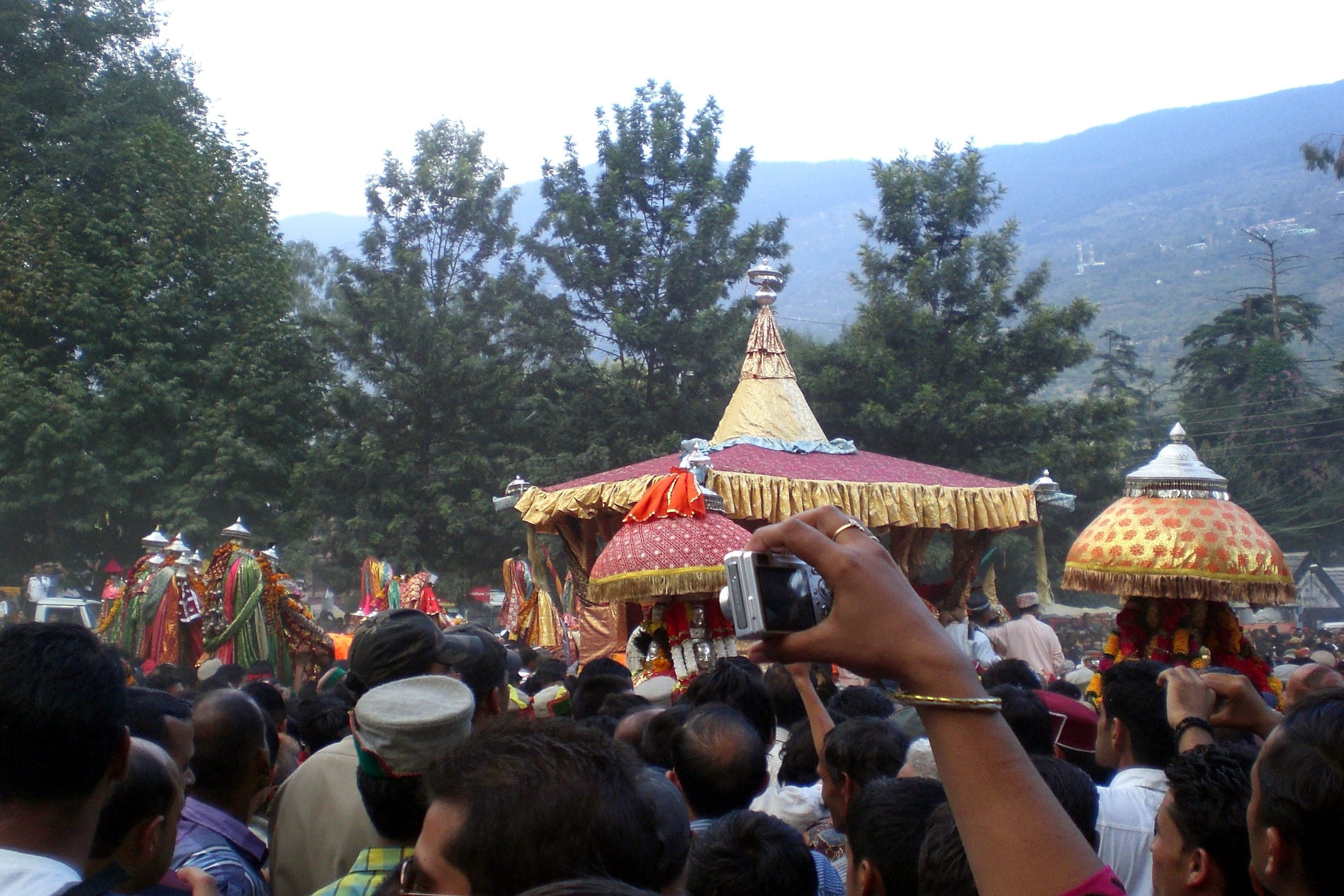
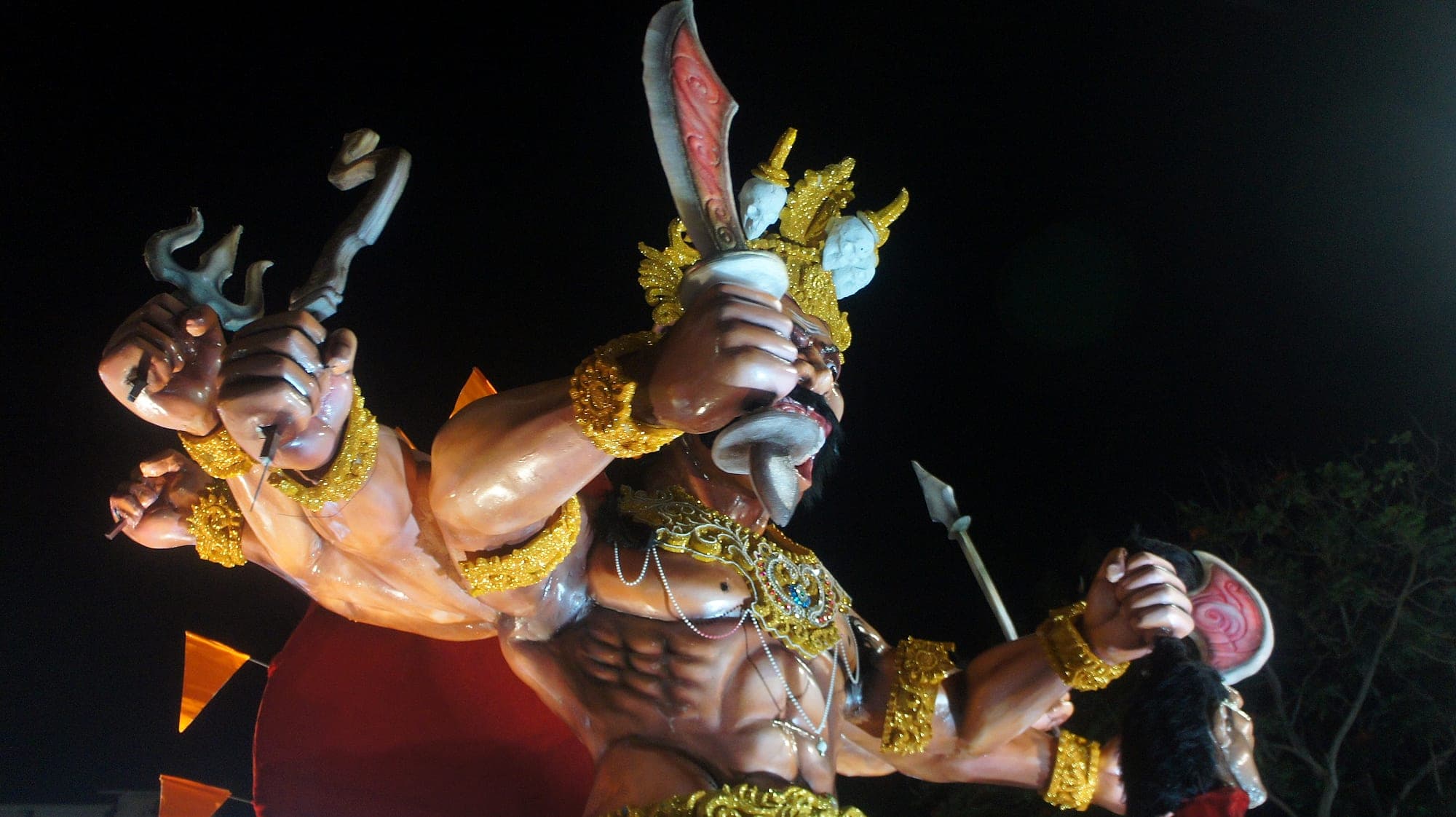
Troupes from villages across Goa perform traditional dance forms — including Ghode Modni (a mock-battle dance performed on decorated dummy horses, associated with historic Maratha-era warriors) and Goff (a colorful thread-weaving dance similar in spirit to a maypole dance) — moving through the streets on illuminated floats depicting mythological and folk themes, accompanied by drumming, in a procession that's as much a living folk-arts festival as a religious one.
Quick Facts
- Falgun month of the Hindu calendar, typically March, around Holi
- Statewide in Goa, with the largest parades in Panaji and Margao
- Ghode Modni (mock-battle horse dance), Goff (thread-weaving dance)
- Pre-colonial Konkani agrarian harvest festival
- Village-level Dhakto Shigmo rituals, followed by large city parades (Vhadlo Shigmo)