Nanda Devi Raj Jat
A pilgrimage so rare it happens once every twelve years — a four-legged sheep leads devotees over 280 km to Nanda Devi's high-altitude sanctuary.
Most festivals repeat annually. The Nanda Devi Raj Jat does not — it happens once every twelve years, making it one of the rarest scheduled pilgrimages anywhere in the world, and each occurrence draws people who may only ever witness it a single time in their life.
Mythology & Significance
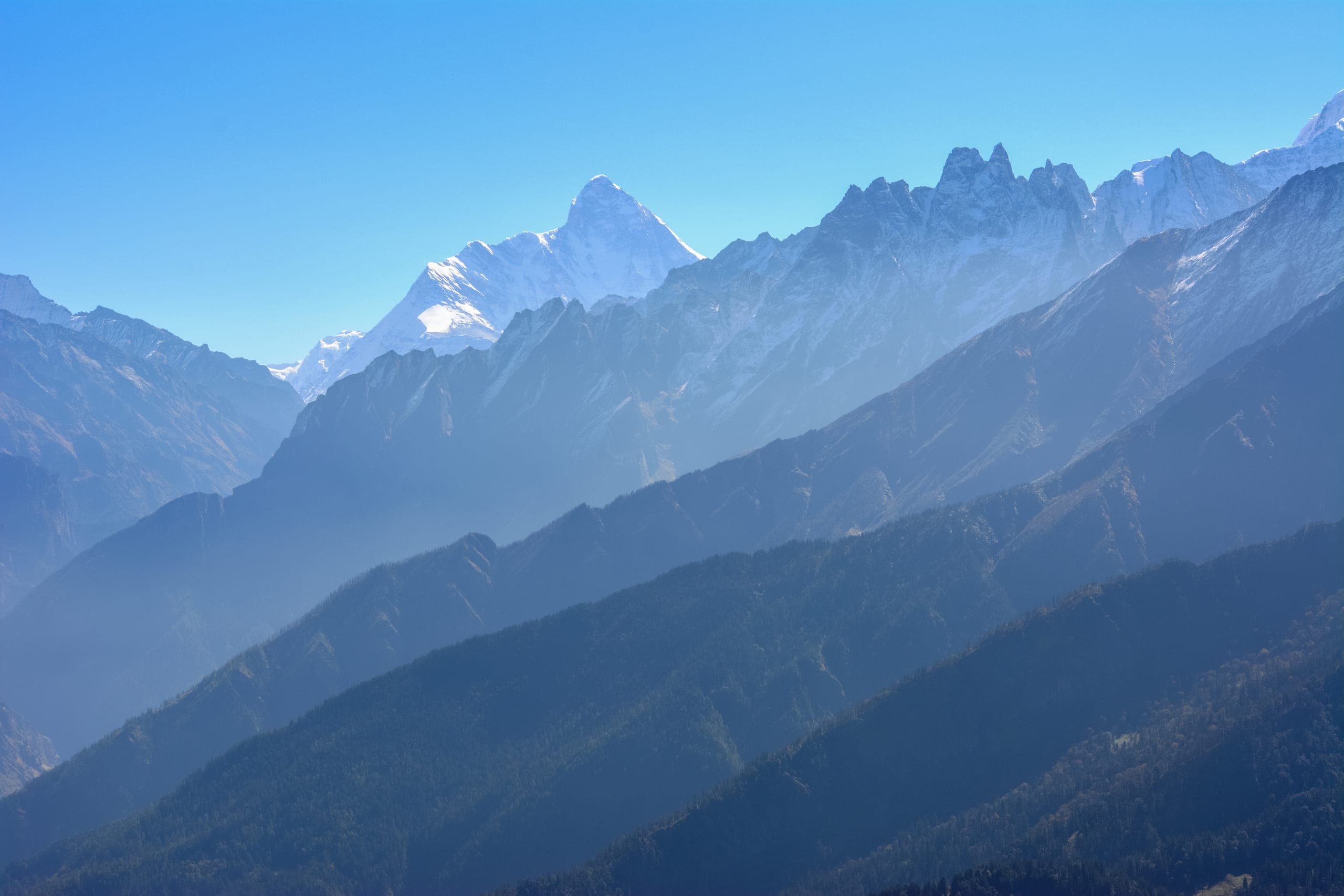
The pilgrimage honors Nanda Devi, worshipped as a form of Parvati and closely associated with Nanda Devi peak — at 7,816 metres, the highest mountain located entirely within India. Local legend holds that Nanda Devi was married into a distant kingdom and this pilgrimage re-enacts her ceremonial journey back to her marital home in the high Himalayas, led symbolically by a four-horned sheep decorated for the occasion, believed to guide the procession and, according to tradition, expected to eventually wander off alone into the mountains near the end of the route — an event locals interpret as the goddess's own departure.
What Happens
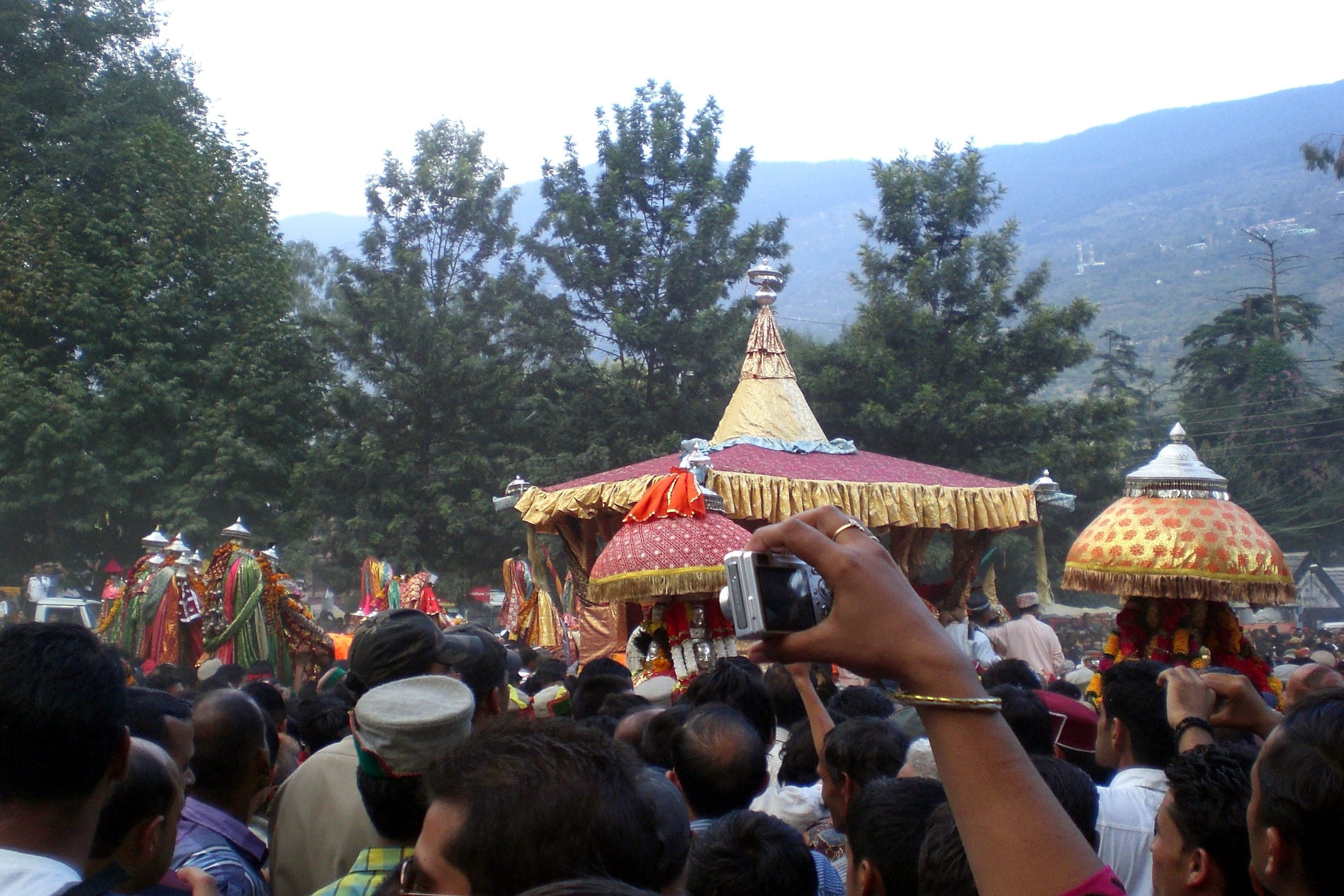
The procession covers roughly 280 km on foot from Nauti village, gathering participants and local deities from villages along the route, over about three weeks, terrain growing progressively higher and harder as it approaches the Homkund area near the base of the Nanda Devi massif — genuinely difficult high-altitude trekking territory, not a casual walk. Because of the twelve-year gap, preparations in participating villages begin years in advance, and the event carries a weight of anticipation that annual festivals, however significant, don't accumulate in the same way.
Quick Facts
- Once every 12 years — among the rarest scheduled pilgrimages in the world
- Roughly 280 km on foot, over about three weeks
- Nauti village, Chamoli district, Uttarakhand
- Homkund, near the base of the Nanda Devi massif (7,816 m)
- A four-horned sheep, believed to lead the procession